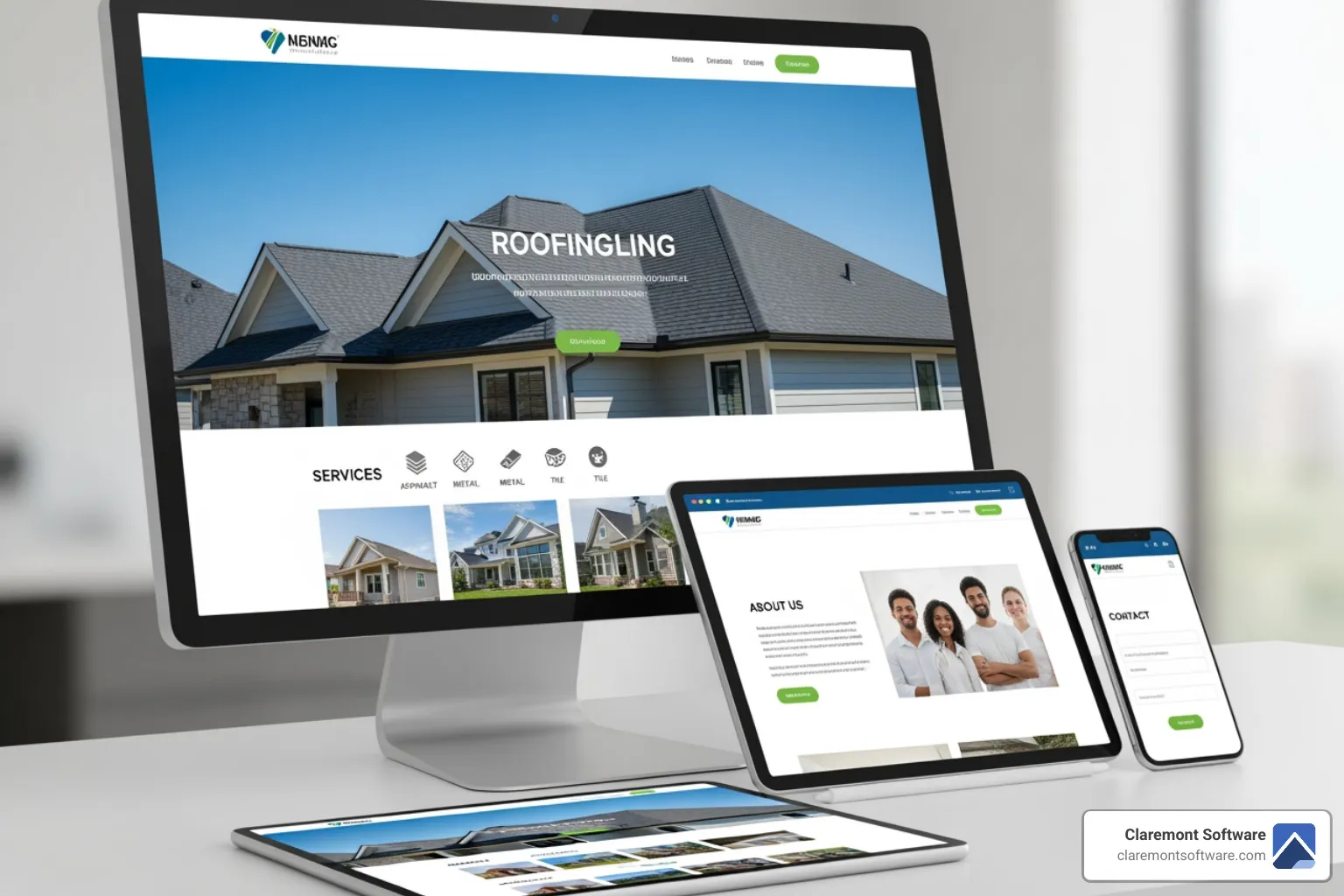
Discover how effective small business web page design acts as your 24/7 digital storefront. Learn essential steps from planning to SEO that attract customers, build trust, and drive leads. Make your site a profitable asset that grows your business in Lake County, IL.
Why Small Business Web Page Design Is Your Digital Storefront
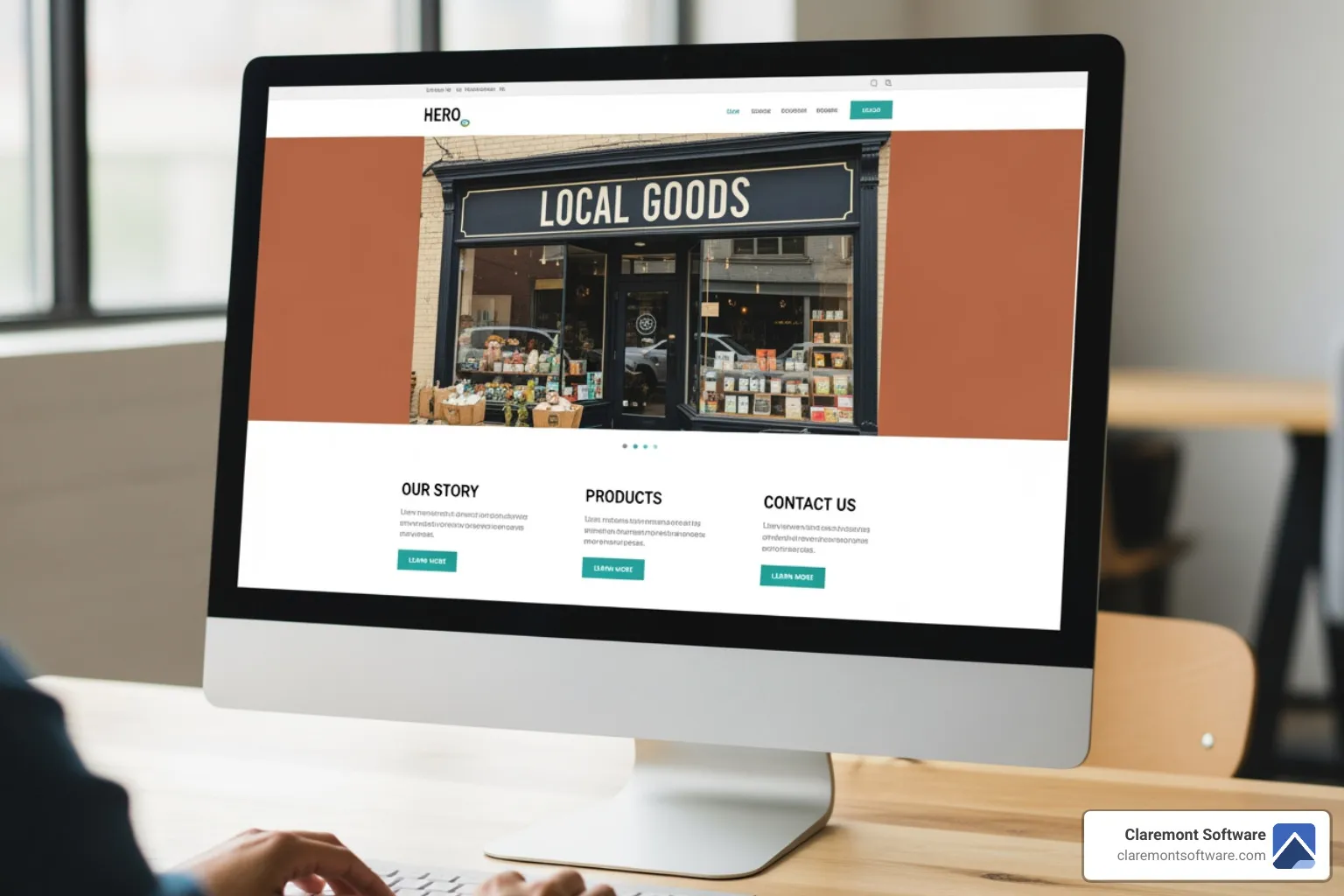
Small business web page design is your digital storefront—the foundation of your online presence. It’s how you attract customers, build trust, and compete. A professional website acts as your 24/7 salesperson, generating leads and driving sales while you focus on your business.
Quick Answer: Essential Steps for Small Business Web Page Design
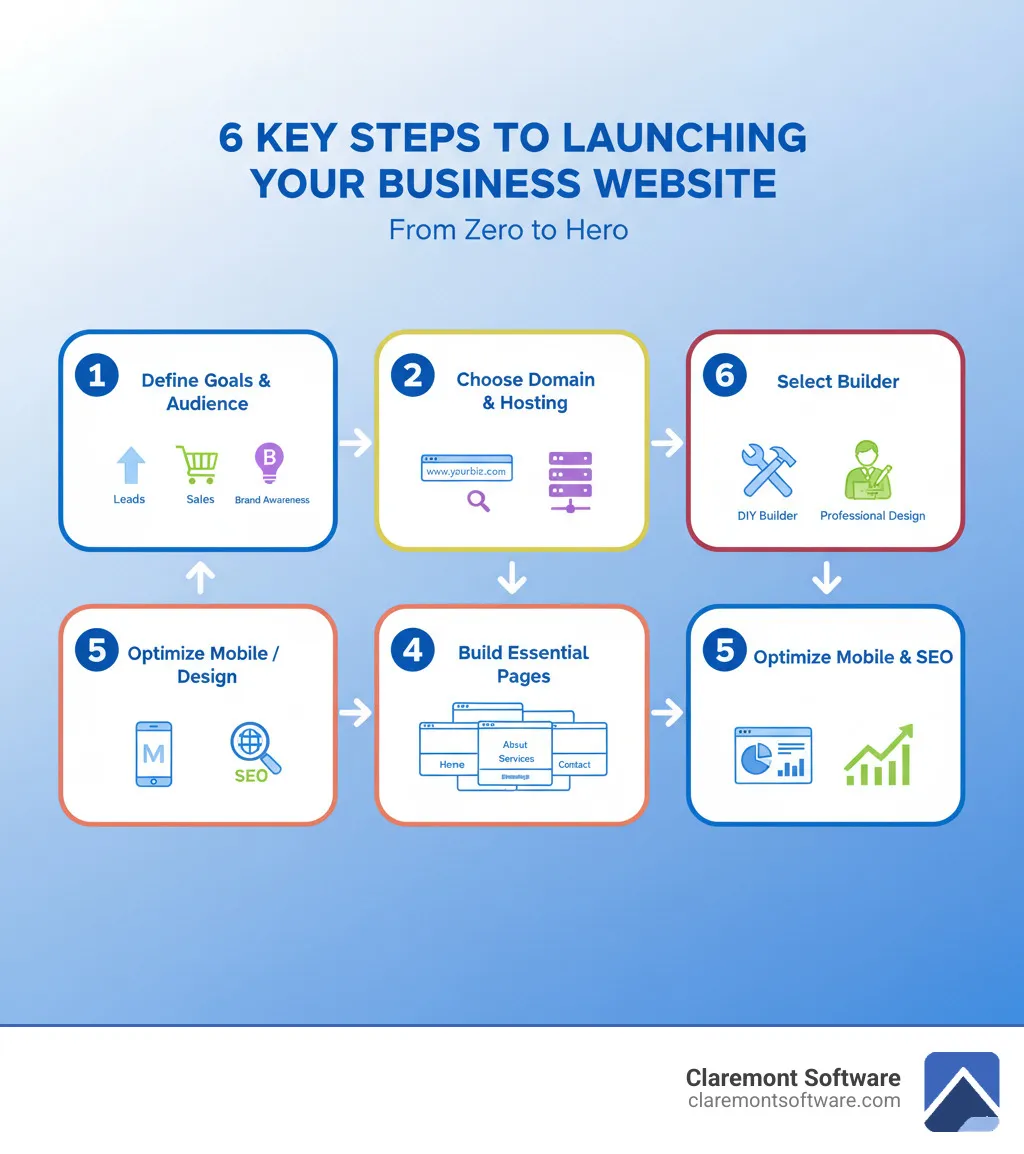
- Define your goals - Lead generation, sales, or brand awareness
- Choose a domain and hosting - Select a memorable name and reliable host
- Pick your approach - DIY builder or professional design service
- Design for users first - Mobile-responsive, fast-loading, easy navigation
- Optimize for search - Local SEO, keywords, quality content
- Track and improve - Monitor analytics, test CTAs, refine based on data
Your website is often the first impression you make, and visitors judge your business's credibility in just 0.05 seconds. Half of users judge a business on its website design, and a poor site drives customers to competitors. With 62% of people avoiding businesses they can't find online, an effective website isn't optional—it's essential.
I'm James Smith, and since 1998, I've helped hundreds of businesses build websites that generate leads and drive growth. In this guide, I'll show you how to create a website that works as hard as you do.
The Foundation: Planning Your Website for Success

Jumping into design without a plan is like building a house without a blueprint. A successful small business web page design starts with a solid foundation. Every great website begins by answering three questions: What should the site do? Who is it for? What makes the business unique? Without clear answers, your site won't bring in business.
Your goals drive every design decision. Whether you need phone calls, quote requests, online sales, or simply want to build trust, each goal requires a different approach. Understanding your target audience is just as critical. Your website must speak directly to your ideal customer's problems. If you're a contractor in Lake County, your messaging will differ from one targeting commercial managers. Finally, your unique selling proposition—be it same-day service or 30 years of experience—must be front and center.
Most small business sites need a few key pages: a Home page explaining what you do, an About page to build trust, a Services/Products page detailing your offerings, and a Contact page that makes it easy to get in touch. The cost of a website is an investment that pays for itself by generating business. For a detailed breakdown, see our guide on How Much Should a Small Business Website Cost?.
Defining Your Website's Purpose and Audience
Let's define what success looks like. Your primary goal shapes the entire design.
- Lead generation sites need prominent contact forms, clear calls-to-action (CTAs), and trust signals like testimonials.
- Online sales sites require high-quality product images, an intuitive cart, and a secure checkout process.
- Brand awareness sites focus on storytelling and showcasing expertise to build long-term relationships.
- Information hubs for local businesses must make key details like menus, hours, and service areas easy to find.
Creating customer personas helps you understand your audience's pain points. Mapping their user journey allows us to design a site that anticipates their needs and guides them toward taking action.
Choosing the Right Domain Name and Hosting
Your domain name is part of your brand. The best domains are short, memorable, and brandable. While a keyword-rich name is descriptive, a brandable name is often better for long-term growth. Stick with the .com extension when possible and avoid numbers or hyphens.
Your hosting provider determines your site's speed, security, and availability. Don't let cheap hosting cost you lost revenue.
- Reliability and Uptime: Your site must be accessible 24/7. Look for hosts with 99.9% uptime guarantees.
- Security: A good host provides backups, malware scanning, and firewalls.
- SSL Certificate: This is essential. It enables "https" and the padlock icon, encrypting data, building trust, and boosting Google rankings.
You'll typically choose between Shared hosting (affordable, for new sites), VPS hosting (more resources, for growing sites), and Dedicated hosting (an entire server, for high-traffic sites). We help clients choose the right option for their budget and needs.
Building Your Site: DIY with Claremont Software vs. Professional Web Design
Once your plan is set, you must decide: build your small business web page design yourself, or hire professionals? At Claremont Software, we offer solutions for both paths. The DIY route is like renovating your kitchen yourself—you save money upfront but invest significant time, and the result may lack a professional polish. Hiring a pro is like bringing in a contractor: it's faster, and the finish is flawless.
Here's how the two approaches stack up:
| Feature | Claremont Software's DIY Website Solutions | Claremont Software's Professional Web Design Services |
|---|---|---|
| Cost | Lower monthly subscription, minimal upfront | Higher initial investment, but often better long-term ROI |
| Time | Can be quick to launch a basic site (hours to days) | Several weeks to months, depending on complexity |
| Customization | Limited by template designs and platform features | Fully custom design, custom to exact specifications |
| Technical Skill | Low; drag-and-drop interfaces, no coding required | None required from you; we handle all technical aspects |
| SEO | Basic built-in tools, requires manual optimization | Integrated from the ground up, advanced strategies, local SEO expertise |
| Scalability | May encounter limitations as business grows | Built for growth, easily expandable with new features and content |
| Support | Platform-specific help resources | Dedicated support, ongoing maintenance, strategic advice |
To learn more about working with a professional, see our guide on Hiring a Web Designer.
The DIY Route: Claremont Software Website Builders
Modern DIY website builders make it possible to create a decent site with no technical skill. Using drag-and-drop editors and pre-designed templates, you can get online quickly for a low monthly cost. You also have full control to make changes anytime.
However, the templates everyone uses can make your site look generic. You'll also need to invest significant time in learning design principles, writing copy, and basic SEO. The biggest challenge arises with growth, as you may hit platform limitations that require a complete rebuild later. AI website builders can help generate content, but they can't replace your unique voice and expertise.
Hiring a Professional: Claremont Software Web Design Services
When you're ready for a website that truly converts, professional design is the answer. At Claremont Software, we've been building sites for businesses in Gurnee, Libertyville, and across Illinois since 1998. Our expertise goes beyond aesthetics—we build sites that turn visitors into customers.
Your website will be completely custom, built from the ground up to reflect your unique brand and goals. We build SEO right into the foundation, ensuring your site is structured to rank high in search results. While you focus on running your business, we handle the technical headaches, saving you time.
Yes, professional design costs more upfront, but it's an investment that pays for itself. A well-designed site generates leads 24/7, builds credibility, and wins business over competitors with mediocre sites. We also build sites that scale with you, so you're not starting from scratch as your business evolves. Learn more about our approach in our article on Custom Web Design Company.
Essential Elements of Effective Small Business Web Page Design
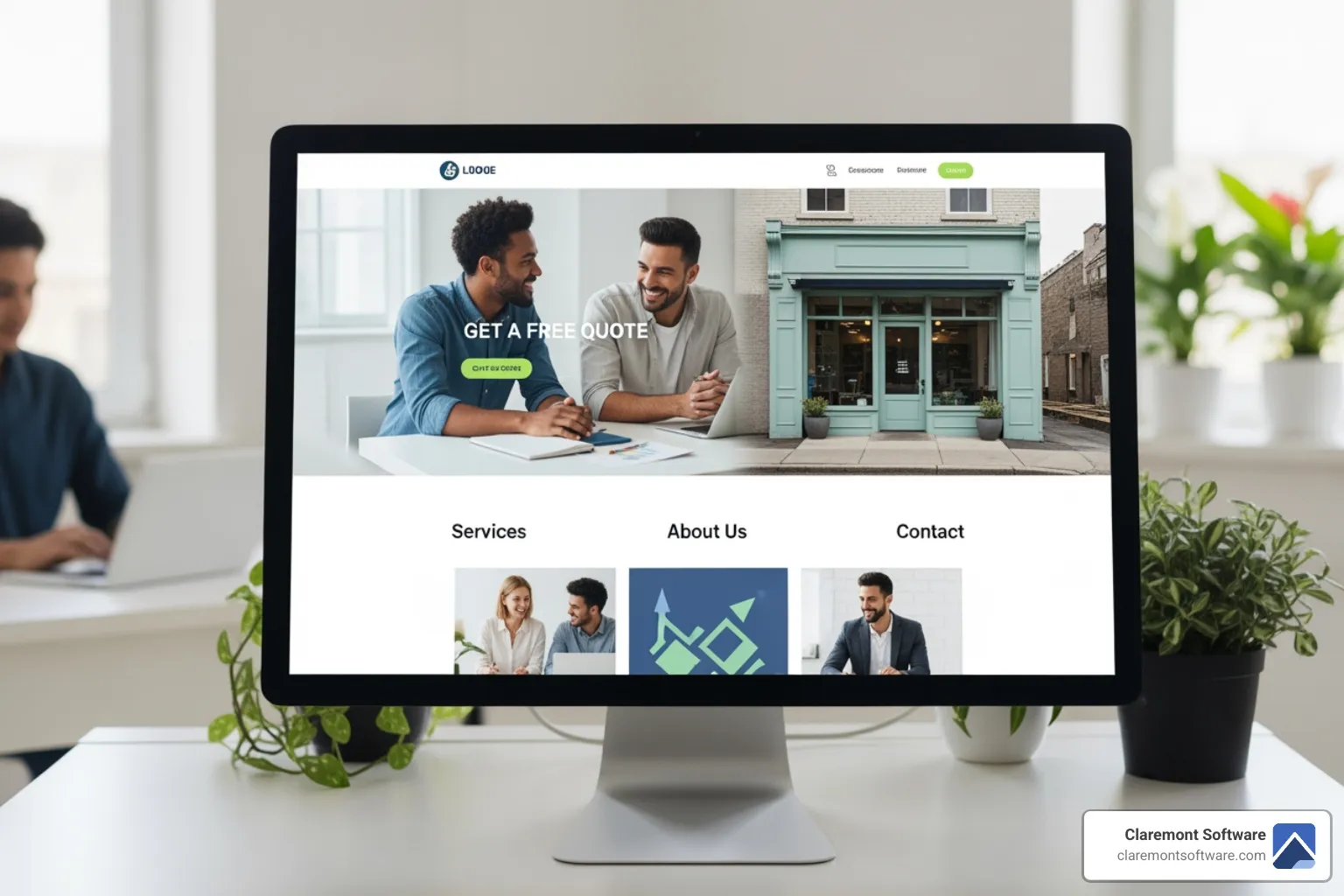
Certain elements are non-negotiable for an effective small business web page design, especially since visitors form an opinion in just 0.05 seconds. Your site must instantly communicate professionalism and guide visitors to take action.
This starts with a cohesive brand identity (logo, colors, fonts). We use visual hierarchy to draw the eye to what matters most, like your "Get a Quote" button. Ample white space reduces clutter and improves readability. We insist on high-quality imagery of your real team and products to build trust—generic stock photos won't do. Your typography should be readable and match your brand's personality, while your color psychology should reinforce brand recognition and ensure high contrast for text. For more on how these pieces fit, see our guide on Business Website Layout.
Creating an Intuitive User Experience and Mobile-First Design
61% of people will leave your site if they can't find what they need in five seconds. That's why simple navigation with clear menus is crucial. Site speed is just as important; 40% of visitors will abandon a site that takes longer than three seconds to load. We obsess over fast load speed because it keeps visitors happy and improves Google rankings.
With 45% of website visits in North America happening on mobile, your site must be flawless on a phone. Mobile responsiveness ensures your site automatically adapts to any screen size. We use a mobile-first approach, designing for the smallest screen first and scaling up. This guarantees a great experience for all users and is essential for modern web design. Learn why in our piece on Mobile First Design.
Showcasing Your Brand and Driving Conversions
A beautiful website that doesn't convert is just digital art. Your design must drive action.
- Consistent Branding: Place your logo in the top-left corner (linking to home) and maintain your brand's look and feel on every page.
- Compelling Calls-to-Action (CTAs): Use prominent buttons with action-oriented text like "Schedule a Consultation" or "Call Us Today" to guide users.
- Simple Contact: Use simple contact forms and display your phone number prominently.
- Social Proof: Feature customer testimonials to build trust. 92% of consumers read online reviews before making a purchase.
- Trust Signals: An SSL certificate (the padlock icon), industry awards, and clear privacy policies all boost credibility.
If your site isn't generating leads, the problem often lies with these conversion elements. We explain how to fix this in Why Your Website Isn't Bringing You Leads.
Supercharging Your Site: SEO, E-commerce, and Maintenance

A beautiful, user-friendly small business web page design is a great start, but people need to find it. Getting your website to generate revenue means making it visible in search engines, adding necessary functionality, and keeping it secure and updated. These aren't extras—they're essential for turning your site into a true business asset.
Optimizing for Search Engines (SEO)
Search engine optimization (SEO) is about helping the right people find you online. When someone in Lake County, IL, searches for "emergency plumber Gurnee," you want to appear. We break down the specific reasons most plumbing websites fail to convert that search traffic into phone calls — and how to fix each one. The same principles apply to lawn care website design and other service industries.
- Keyword Research: We identify the exact terms your customers use to search for your services.
- On-Page SEO: We weave keywords into your meta titles and descriptions, use header tags (H1, H2) to structure content, add descriptive alt text to images, and create internal links to guide users and search engines.
- Quality Content: Google prioritizes sites with valuable content that helps users. A regularly updated blog signals that your site is relevant.
- Local SEO: For our Illinois clients, we optimize your Google Business Profile and ensure your business information is consistent online to capture "near me" searches.
Avoid common pitfalls that can hurt your rankings by reading our guide on 5 Common SEO Mistakes Local Businesses Make.
Maintaining a Secure and Updated Website
Hackers target small businesses every 11 seconds. Your website needs ongoing protection, much like a car needs regular oil changes.
- Security: We perform regular software updates to patch vulnerabilities, implement automated backup solutions so your site can be restored quickly after a disaster, and run proactive security scans to find threats before they cause damage.
- Performance & Freshness: We monitor performance metrics like load time and uptime to ensure a smooth user experience. Keeping content fresh with new blog posts or updated information also builds credibility and tells visitors you're active.
At Claremont Software, our Website Care Plans handle all these technical details. You run your business while we keep your digital storefront secure, fast, and effective.
Measuring What Matters: Tracking Your Website's ROI

How do you know if your small business web page design is making you money? A website is a business tool, and we must measure its performance to ensure it's providing a return on investment (ROI).
Your analytics dashboard is your website's report card. We track Key Performance Indicators (KPIs)—the numbers that matter—to see what's working and what needs improvement. Understanding how visitors interact with your website is key to making smart decisions. We also use A/B testing, showing different versions of a page to visitors to see which one performs better. This data-driven approach allows us to Calculate Website ROI and prove how your investment is paying off.
Key Metrics to Track for Your small business web page design
We focus on data that connects directly to your business goals, not vanity metrics.
- Website Traffic & Sources: How many people visit your site and where do they come from (Google, social media, etc.)?
- New vs. Returning Visitors: Are you reaching new audiences or bringing back loyal ones?
- Average Session Duration: Are visitors engaging with your content or leaving immediately?
- Page Views: What content is most popular with your audience?
- Goal Completions (Conversions): This is the most critical metric. Are visitors filling out forms, making purchases, or calling you? This directly ties to revenue.
- Bounce Rate: What percentage of visitors leave after viewing only one page? A high rate can indicate a problem.
Using Data to Improve Your small business web page design
Data is only valuable when used to make smart decisions. By analyzing click paths, we see the exact journey visitors take and identify where they drop off. We find your most popular content to learn what your audience cares about and optimize underperforming pages by diagnosing and fixing issues.
Through A/B testing of headlines and CTAs, we take the guesswork out of optimization. This cycle of monitoring, testing, and refining ensures your website is never static. It becomes an evolving tool that continuously improves its ability to grow your business.
Frequently Asked Questions about Small Business Websites
We've helped many small business owners in Illinois with web design, and the same questions often arise. Here are the answers to what's likely on your mind.
How much does a website for a small business cost?
The cost of a small business web page design depends on your needs.
- DIY Solutions: Our DIY website solutions typically cost between $10 and $50 per month, plus a small annual fee for your domain name. This is a great, affordable option for getting online quickly.
- Custom Design: A custom-designed website from Claremont Software is a larger investment, usually ranging from $2,000 to $10,000+. The price depends on complexity, page count, and special features like e-commerce.
We frame this as an investment, not an expense. A professional website works 24/7 to generate leads and bring in customers, often paying for itself within months. We've seen this happen for businesses throughout Gurnee, Libertyville, and Lake County.
How long does it take to build a small business website?
The timeline varies by approach. Using our DIY website solutions, you can launch a simple site in just a few hours or days. A custom-designed website takes longer, typically several weeks to a few months. This extended timeline accounts for strategic planning, custom design and development, content creation, and thorough testing to ensure the site delivers results. The process also depends on how quickly you provide feedback and content.
What are the most important features for a small business website?
After building hundreds of sites, we've found these features are essential for converting visitors:
- A clear description of your services or products.
- Easy-to-find contact information (phone, email, address).
- Customer testimonials and reviews to build trust.
- High-quality, authentic images of your work, team, or products.
- A strong, clear call-to-action (CTA) on every page.
- Mobile-responsive design for a perfect experience on any device.
- Fast load times (under 3 seconds).
- Intuitive navigation with simple menus.
- An SSL certificate (the padlock icon) for security and trust.
Conclusion
Your small business web page design is your most valuable digital asset. It's your digital storefront, 24/7 salesperson, and brand ambassador, working around the clock to grow your business in Gurnee, Libertyville, and across Lake County, IL.
This guide has walked you through creating a site that delivers results—from planning and building to optimizing and measuring. A great website isn't a cost; it's a profitable investment that pays for itself by attracting new customers and building credibility. At Claremont Software, we've spent over two decades creating web design solutions that deliver these measurable results.
Your business deserves a website that works as hard as you do. Ready to transform your online presence? Let us help you Get a professional website that drives results.